
A change order can affect the cost, timeline, or scope of your remodeling project after construction begins. While some changes are unavoidable when hidden conditions are discovered, others may result from design decisions made during construction. Learn why change orders happen, how they can affect your project, and what you can do to reduce unexpected changes.
You have spent weeks planning your remodeling project. You have chosen finishes, approved the design, and imagined how your updated home will look when everything is complete. Then your contractor tells you a change order is needed. Suddenly, you are wondering what happened, whether the project is going over budget, and how much longer it will take.
If you have never remodeled before, hearing the words “change order” can feel frustrating. The good news is that change orders are a normal part of many remodeling projects. While some changes are unavoidable, many can be minimized through careful planning and open communication before construction begins. Understanding why change orders happen can help you feel more confident throughout the remodeling process.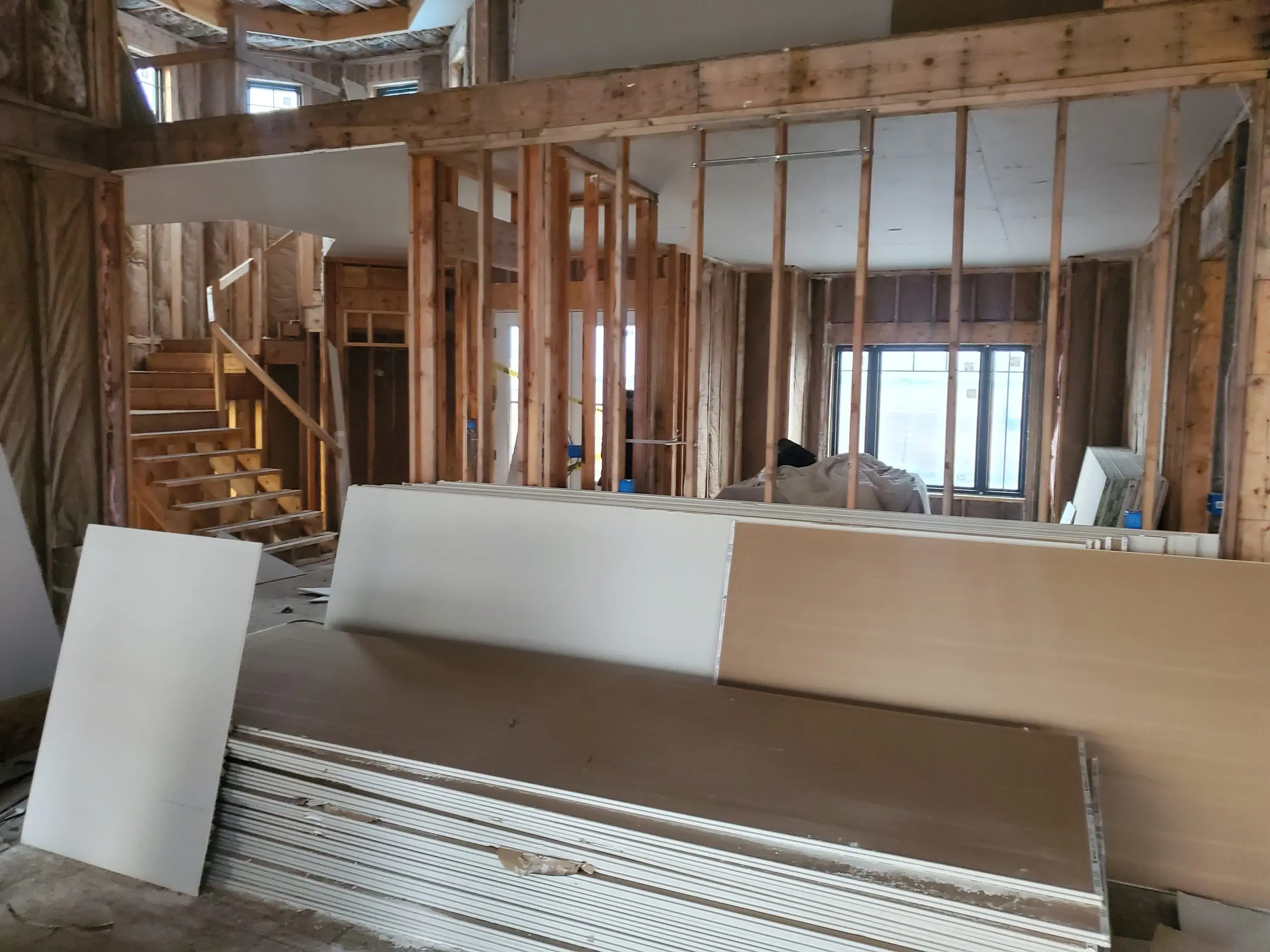
Why Change Orders Happen
A change order is a written agreement that documents any modification to the original scope of work after construction has started. It explains what is changing, how it affects the cost, and whether it will impact the project timeline.
Not every change order is caused by a mistake. Remodeling involves working with an existing home, and there are often factors that cannot be fully evaluated until walls, floors, or ceilings are opened. In other cases, homeowners decide they want something different after seeing the project come to life.
No matter the reason, documenting changes protects everyone involved and keeps the project moving forward with clear expectations.
Small Decisions Can Lead to Bigger Changes
One of the most common reasons for change orders is incomplete planning before construction begins.
It is easy to focus on major decisions like cabinetry, flooring, and countertops while overlooking smaller details. Light fixtures, trim styles, hardware finishes, electrical outlet locations, paint colors, and storage features can all influence the final design. If these decisions are postponed until construction is underway, they often require adjustments that affect labor, materials, or scheduling.
Taking extra time during the planning stage allows you to make informed decisions before work begins, reducing the number of surprises later.
Hidden Conditions Behind the Walls
Even with detailed inspections, contractors cannot always see what is hidden inside your home’s structure.
Once demolition starts, it is possible to discover water damage, outdated wiring, plumbing issues, structural concerns, or previous repairs that do not meet current building standards. These problems often need to be addressed before new work can continue.
Although these discoveries may increase costs or extend the timeline, correcting them now helps prevent larger problems after your remodel is finished. Addressing hidden issues also protects the long-term value and safety of your home.
Design Changes During Construction
Sometimes the change order comes directly from you.
As your new kitchen, bathroom, or addition begins taking shape, you may decide that a larger island would work better, additional lighting would improve the space, or a different tile pattern would better match your vision.
These changes are perfectly reasonable, but they often require new materials, revised labor, or adjustments to work that has already been completed. Even seemingly small design changes can affect multiple parts of the project.
Before requesting changes, it helps to discuss how they will impact both your budget and your expected completion date.
How Change Orders Affect Your Budget and Schedule
Every remodeling project is built around a carefully coordinated schedule. Materials are ordered, subcontractors are scheduled, and inspections are planned well in advance. When changes occur, those plans often need to be adjusted.
A change order may require special-order materials with longer lead times. Additional labor may need to be scheduled, or completed work may need to be modified before the project can move forward. These adjustments naturally affect both the overall cost and the construction timeline.
While no homeowner enjoys unexpected expenses, understanding why changes affect the schedule helps set realistic expectations throughout the project.
Ways You Can Reduce Change Orders
Although it is impossible to eliminate every change order, thoughtful preparation can significantly reduce how often they occur.
Before construction begins, take time to finalize your design selections, review every detail of your plans, communicate your priorities clearly, ask questions about anything you do not understand, allow time for product availability, and review the project scope carefully before approving construction.
The more decisions you make upfront, the fewer adjustments are likely to be needed once construction begins. Working with an experienced remodeling contractor who guides you through the planning process can also help identify potential concerns before they become expensive surprises.
Why Communication Makes All the Difference
Even with excellent planning, some change orders cannot be avoided. What matters most is how those changes are communicated.
A good remodeling contractor explains why a change is necessary, outlines the available options, and provides updated pricing and scheduling information before additional work begins. This transparency gives you the information you need to make confident decisions without feeling pressured.
Clear communication also builds trust throughout the project. Instead of worrying about unexpected developments, you remain informed every step of the way.
Planning Creates Better Remodeling Experiences
No remodeling project is completely predictable, especially when improving an existing home.
Hidden conditions, product availability, and homeowner preferences can all influence the work after construction begins. While change orders are sometimes unavoidable, many can be reduced through detailed planning, realistic expectations, and ongoing communication.
At T. Davis Contractors, we believe homeowners deserve to understand every step of the remodeling process before work begins. Our experienced team takes the time to plan carefully, discuss options openly, and keep you informed if changes become necessary. If you are ready to remodel your kitchen, bathroom, or another area of your home, contact us today to schedule a consultation and learn how thoughtful planning can help your project stay on track from start to finish.