
Knowing what to expect can make a home remodeling project feel much less overwhelming. From the initial consultation and material selections to construction, inspections, and the final walkthrough, most remodels follow several key phases. Learn what happens during each stage so you can prepare for your project and understand how your remodeling timeline comes together.
You’ve been dreaming about remodeling your home for months, maybe even years. You have ideas saved on your phone, inspiration from magazines, and a vision for how you want your space to look and function. Then one question starts to surface. What happens after you hire a remodeling contractor?
For many homeowners, the remodeling process feels like a mystery. Not knowing what comes next can create unnecessary stress and make it difficult to prepare for the months ahead. While every project is unique, most remodels follow a predictable timeline. Understanding each phase can help you feel more confident, make informed decisions, and enjoy the process instead of worrying about what comes next.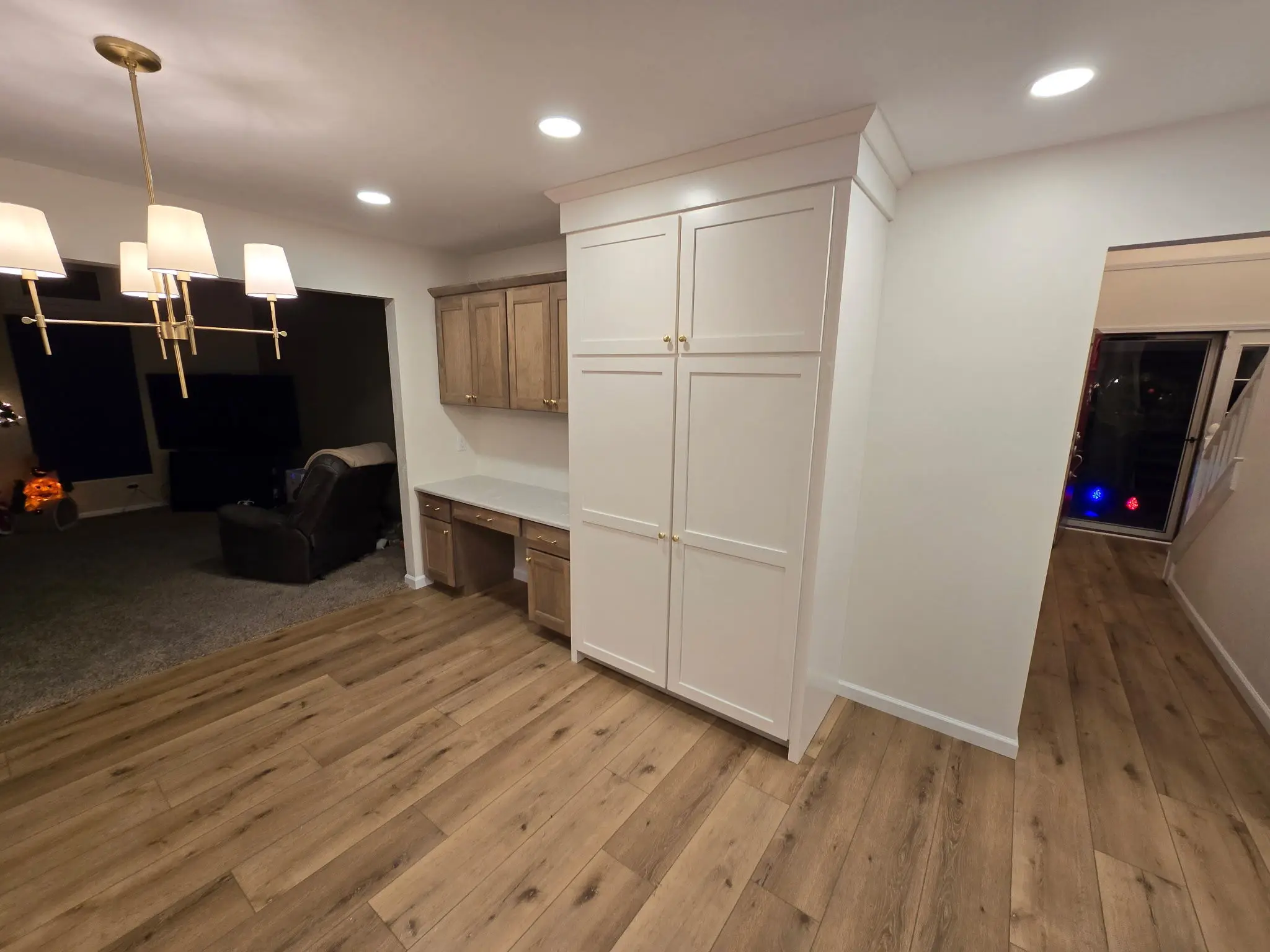
Every Successful Remodel Starts with a Conversation
The first step is meeting with your contractor to discuss your goals.
This consultation is your opportunity to explain what you hope to accomplish with your remodel. Maybe your kitchen no longer fits your family’s needs, your bathroom feels outdated, or you want to create more functional living space. You can also discuss your budget, preferred timeline, and any features that are especially important to you.
This conversation helps your contractor understand your priorities while giving you the chance to ask questions and learn more about the remodeling process.
A strong working relationship begins with clear communication from the very beginning.
Turning Ideas into a Detailed Plan
After your initial consultation, your project begins taking shape.
During the planning stage, your contractor develops a detailed scope of work that outlines exactly what will be completed. This includes the areas being remodeled, materials, construction methods, and any other project requirements.
Taking time to define every detail reduces misunderstandings later. It also allows everyone involved to work toward the same expectations before construction begins.
If adjustments are needed during planning, making them now is much easier than changing plans after work has already started.
Selecting Materials Takes Time
Choosing materials is often one of the most enjoyable parts of a remodeling project, but it also plays a major role in your timeline.
Cabinets, flooring, countertops, plumbing fixtures, lighting, paint colors, and hardware all need to be selected before construction can move forward efficiently. Some products are available immediately, while others may require weeks or months for manufacturing and delivery.
Waiting until construction is underway to make selections can create scheduling delays if materials are unavailable when crews are ready to install them.
Making these decisions early helps your contractor build a realistic schedule and keeps the project moving forward.
Preparing Your Home for Construction
Before demolition begins, there are several steps that help prepare your home for the remodeling process.
Depending on the size of your project, you may need to move furniture, pack personal belongings, or temporarily relocate items from nearby rooms. Your contractor may also install protective coverings to reduce dust and protect floors that will remain in place.
Permits, inspections, and final scheduling are typically completed during this phase as well.
Although construction has not officially started, this preparation helps create a smoother work environment once crews arrive.
Construction Happens in Stages
Many homeowners expect remodeling to move in one continuous sequence. Construction involves multiple trades working together according to a carefully coordinated schedule.
Depending on your project, you may see demolition followed by framing, plumbing, electrical work, insulation, drywall, flooring, cabinetry, trim, painting, and fixture installation.
Each phase depends on the one before it being completed correctly. Some work also requires inspections before the next stage can begin.
Because several professionals are coordinating their schedules, patience is often part of the remodeling process. While there may be days with little visible activity, planning and coordination continue behind the scenes to keep your project progressing.
Communication Keeps You Informed
One of the biggest concerns homeowners have during remodeling is not knowing what is happening.
Regular communication helps eliminate that uncertainty. Your contractor should keep you updated on progress, explain upcoming phases, answer your questions, and discuss any unexpected discoveries if they arise. Whether it is a scheduling adjustment, a product delivery update, or a design question, timely communication allows you to make informed decisions without feeling caught off guard.
A remodeling project becomes much less stressful when you know what to expect throughout each phase.
Small Delays Do Not Always Mean Bigger Problems
Even with careful planning, remodeling projects sometimes experience minor delays.
Weather, permit approvals, product availability, and hidden conditions inside existing walls can occasionally affect the schedule. While these situations can be frustrating, they are often outside anyone’s control.
The most important factor is how your contractor responds. An experienced remodeling team communicates changes promptly, explains available options, and adjusts the schedule as efficiently as possible. Keeping homeowners informed helps maintain realistic expectations while reducing unnecessary frustration.
The Final Walkthrough Brings Everything Together
As construction nears completion, your contractor will perform a final walkthrough with you.
This gives you the opportunity to review the completed work, ask questions, and verify that every aspect of the project reflects the original plan. If any final touch-ups or adjustments are needed, they can be documented before the project is officially complete.
The walkthrough is also an opportunity to learn about caring for your new materials, maintaining finishes, and understanding any warranties associated with your remodel. Taking time to review the finished work helps you feel confident before enjoying your newly remodeled space.
A Well-Planned Timeline Creates a Better Remodeling Experience
A remodeling project involves much more than demolition and construction. Every successful renovation begins with thoughtful planning, detailed preparation, material selections, coordinated scheduling, and consistent communication. Our experienced team works closely with you every step of the way, keeping you informed while delivering professional results. If you are ready to begin your next remodeling project, contact us today to schedule a consultation and start planning your home’s transformation.